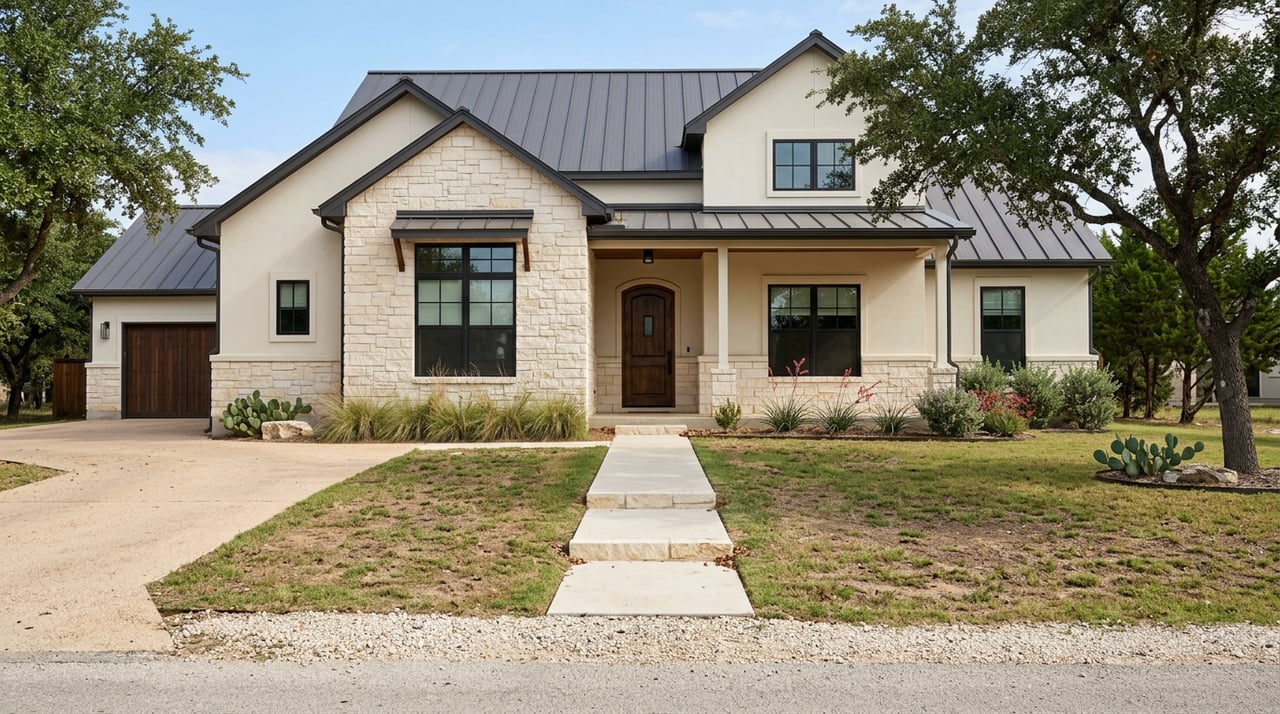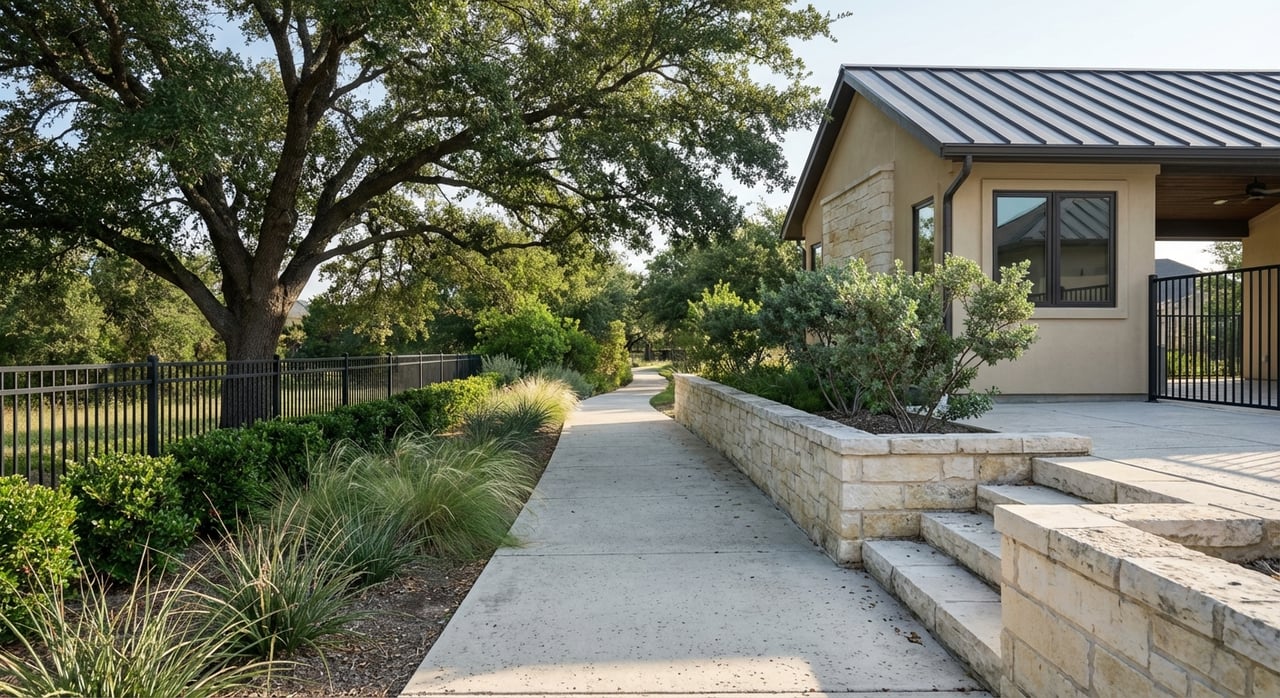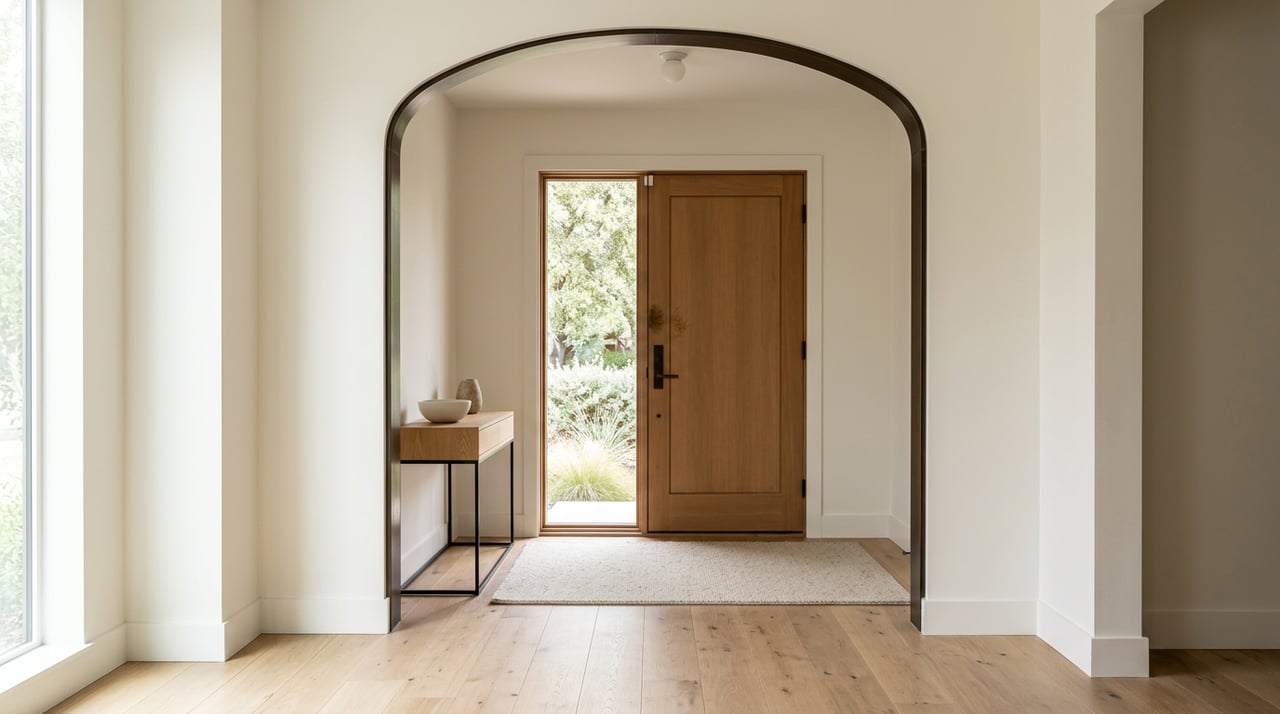
Selling your Circle C home soon? The right plan can add real dollars to your bottom line and save weeks of stress. You want a smooth sale, strong offers, and a clear path from prep to closing. This guide gives you a Circle C specific strategy, a simple 6–10 week timeline, and a quick primer on Texas offer mechanics so you know what to expect. Let’s dive in.
Circle C market snapshot
Recent neighborhood figures show a median sale price around $750,000, a median of about $281 per square foot, and roughly 24 days on market. You can review the latest trends on the Circle C Ranch housing market page for up‑to‑date numbers and comps in nearby subsections like GreyRock or Avana. Explore current Circle C stats and trends.
What sells fastest in Circle C tends to be move‑in‑ready, single‑family homes with 3 to 5 bedrooms, updated kitchens and baths, and inviting outdoor living. Buyer interest is strong for homes near the community pools, parks, and trail network. You will also see questions about system age, roof condition, and any known environmental exposure, so have service records ready and disclose known issues early.
What buyers value most
- Move‑in‑ready condition with neutral, bright finishes
- Updated kitchen and primary bath with fresh hardware and lighting
- Outdoor living that feels usable year‑round, plus shade and irrigation
- Clean landscaping and strong curb appeal that photographs well
- Reliable A/C performance, healthy roof, water heater, and documented maintenance
- Easy access to Circle C amenities, trails, and community pools
- Transparent disclosure about any known flood, heat, or wildfire exposure
Your seller checklist
Meet for a pricing and strategy consult, then set your goal list date.
Gather records: HVAC and roof service, warranties, pool logs, and any permits.
Order HOA items early. Circle C sellers should plan for the resale certificate and association documents that buyers and title will request during escrow. See Circle C community resources.
Consider a light pre‑listing inspection to surface repairs on your terms.
Tackle small repairs and tune‑ups that could trigger buyer objections later.
Declutter and deep clean. Add neutral paint in high‑impact rooms if needed.
Elevate curb appeal: mulch, mow and edge, power wash, and refresh the front door.
Stage key spaces and outdoor areas. Industry data shows staged homes often sell faster and can achieve a measurable price premium. Review staging statistics.
Schedule professional photos, a floor plan, and a virtual tour once show‑ready.
Finalize pricing, MLS remarks, and launch week. Confirm how offers will be handled.
Prepare for showings: lights on, thermostat set, and a secure plan for pets.
Review offers using net proceeds and terms, not price alone.
Sample 6–10 week timeline
- Week 0: Strategy consult, pricing preview, and target launch week.
- Weeks 1–2: Contractor walk‑throughs, repairs, declutter, deep clean.
- Week 3: Paint touch‑ups, landscaping tune‑up, and mild staging.
- Week 4: Professional photography, floor plan, and virtual tour.
- Week 5: MLS live, broker outreach, weekend showings, and open house.
- Weeks 6–8: Offer accepted, option period and inspections, appraisal ordered.
- Weeks 8–10: Loan underwriting, title work, and closing. Financed purchases often take about 30 to 45 days from contract to close, while cash can be faster. Typical closing timelines explained.
Pricing strategy that works
Start with a three‑tier CMA: 60–90 day solds for value, pendings and actives for competition, and withdrawn or expired listings for pricing pitfalls. In Circle C, micro‑factors like lot orientation, pool, garage configuration, and school feeder patterns can shift perceived value, so lean on the most similar subsections and lot sizes.
Pick a pricing tactic that matches your goals. A market‑value list captures a broad buyer pool. A slightly under‑market list can spark multiple offers when days on market and comps support it. Price banding also helps if recent sales cluster in predictable ranges.
For timing, spring is still the prime listing window for traffic and faster sales, with many years pointing to March through May as the sweet spot. If spring is not possible, late summer can be an effective secondary window. Local inventory and rates should guide the final call. Seasonality overview.
Launch marketing essentials
- Professional photos, including twilight exteriors for curb appeal
- Interactive floor plan and virtual tour for serious remote buyers
- Clear MLS remarks that highlight Circle C amenities, nearby trails, and community pools
- Agent outreach and a broker preview to surface qualified buyers quickly
- A showing plan that keeps the home bright, comfortable, and simple to access
Option period and inspections
Texas sellers generally provide a Seller’s Disclosure Notice using the TREC form unless an exemption applies. Complete it accurately and deliver it as required to keep the timeline clean. Review the TREC Seller’s Disclosure form.
Most offers include a negotiated termination option. The buyer pays an option fee for a short window to terminate for any reason, often 3 to 10 days. During this time, expect inspections and any repair requests. Earnest money and option fee timing are set in the contract and must be delivered on time to preserve buyer rights. TREC’s FAQ explains the option period and timing.
After the option period ends, buyers typically finalize appraisal and underwriting. If an appraisal comes in short, you may revisit price, concessions, or timing. Cash deals skip financing steps, but title, survey, and HOA items still apply.
Closing docs and logistics
- Seller’s Disclosure form and any required addenda
- Circle C HOA resale documents and resale certificate, ordered early to avoid delays
- Utility, warranty, and service records for systems, roof, and pool
- Title company coordination for payoffs, signatures, and any HOA assessments
Plan for key transfer, garage remotes, access codes, and final utility readings at closing. A short checklist and early HOA requests keep the file on track.
Ready to sell?
If you want a clean, confident launch with curated marketing and clear negotiation, let’s map your plan. For a tailored pricing review and a concierge prep game plan, connect with Kim Burke to schedule your free consultation.
FAQs
How long does it take to sell a Circle C home?
- Recent data shows roughly 24 days on market for Circle C, then about 30 to 45 days from contract to close for financed buyers, with cash often faster.
What is the best time of year to list in Circle C?
- Early spring, often March through May, tends to draw the most buyer traffic, with late summer as a workable second choice when your prep timeline requires it.
Which pre‑listing updates deliver the best ROI here?
- Focus on curb appeal, decluttering, light paint, and staging the kitchen, primary suite, and outdoor living; small hardware and lighting swaps often go further than big remodels.
What is the Texas option period and why does it matter?
- The buyer pays an option fee for a short window, usually 3 to 10 days, to terminate for any reason; inspections and repair talks happen then, so timing and delivery of funds matter.
Which HOA documents do Circle C sellers need?
- Expect to provide the HOA resale certificate and association documents that title and the buyer’s lender will request; ordering early helps prevent closing delays.
Do I have to complete a Seller’s Disclosure in Texas?
- Yes, in most cases you must provide the statutory Seller’s Disclosure Notice unless you qualify for an exemption; use the current TREC form and complete it accurately.
What environmental questions should I be ready for in Circle C?
- Buyers may ask about any known flood, heat, or wildfire exposure; disclose what you know and share system and roof service records so buyers can evaluate risk with confidence.