Trying to decide between Dripping Springs, Wimberley, or Johnson City? You’re not alone. Each offers a distinct Hill Country lifestyle, from closer-to-Austin convenience to true ranch-country privacy. In this guide, you’ll compare location, housing, acreage, commute realities, and the practical checks that shape a smart purchase. Let’s dive in.
Where each town sits
All three sit within roughly 1 to 1.5 hours of central Austin depending on route and traffic. Dripping Springs is the closest and most connected to Austin’s western suburbs. Wimberley anchors the middle with a small-town core and natural draws. Johnson City is farther west and feels the most rural, surrounded by larger ranches and open land.
If you want more services and a shorter drive, Dripping Springs often rises to the top. If you want a balance of outdoor beauty and a visible town center, Wimberley is a strong fit. If your priority is acreage, privacy, and wide-open views, Johnson City stands out.
Lifestyle snapshot
- Dripping Springs: A faster-growth scene with new subdivisions, tasting rooms, restaurants, and event venues. You get Hill Country scenery plus a robust hospitality and retail mix.
- Wimberley: An arts-forward small town with market days, galleries, and recreation tied to springs and creeks. Expect a rural feel with busy weekends during peak tourism.
- Johnson City: A historic small-town square with ranch-country character. It offers proximity to outdoor recreation, regional history, and easier access to larger parcels.
Housing and land at a glance
Each market delivers a different mix of home styles, lot sizes, and land-use options.
Dripping Springs homes and lots
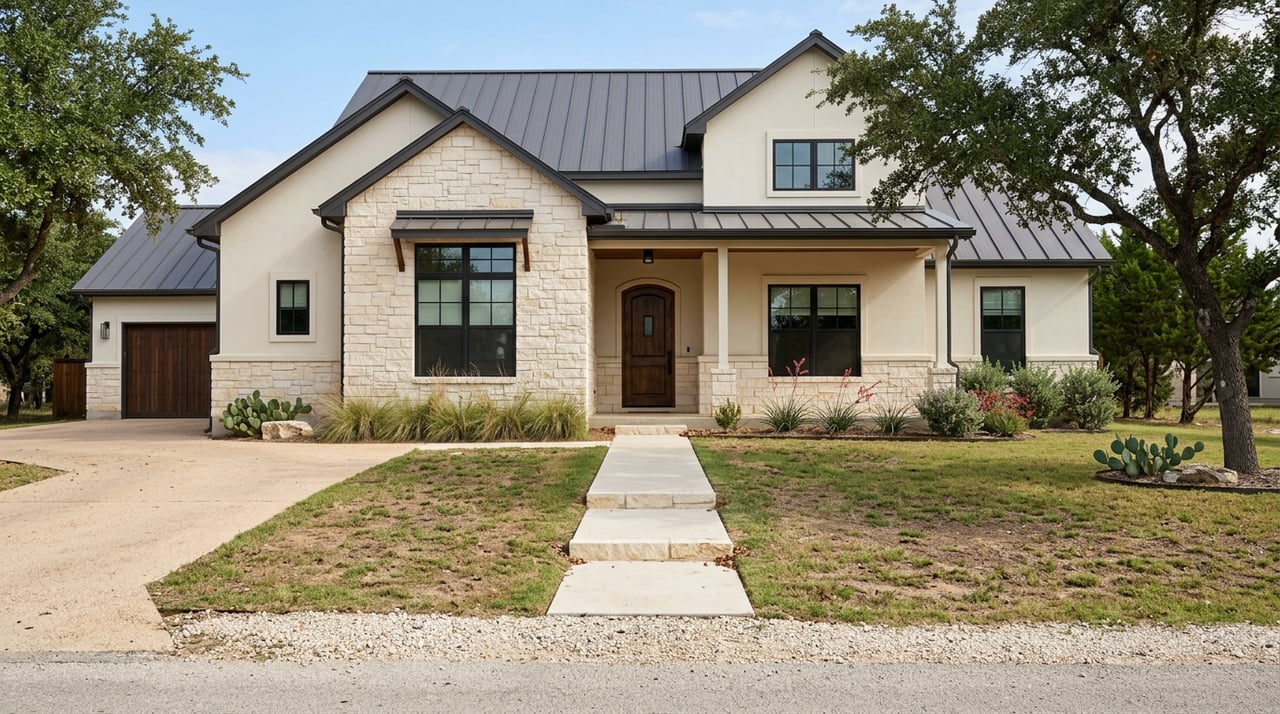
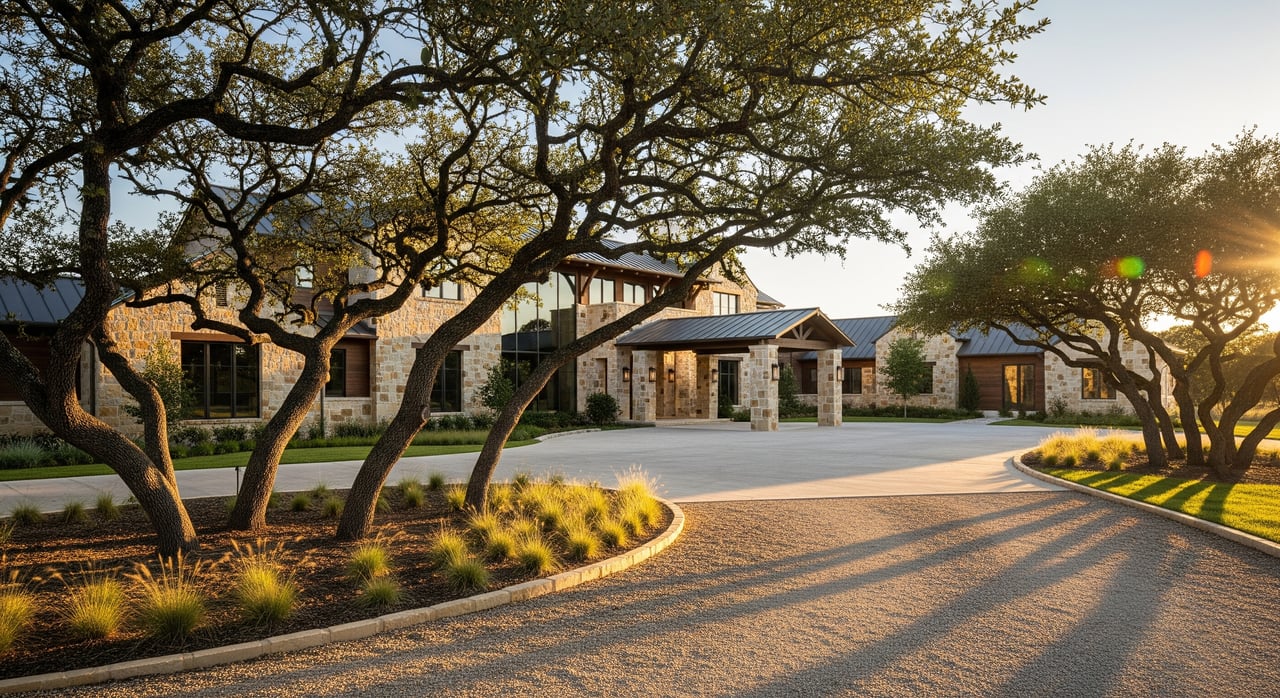
You’ll find newer single-family homes in master-planned neighborhoods, gated estates, and country homes. In-town subdivision lots tend to be smaller, with 1 to 5 acre tracts and larger luxury ranches appearing outside town. Newer construction and amenities are common, which can command a premium.
Wimberley homes and lots
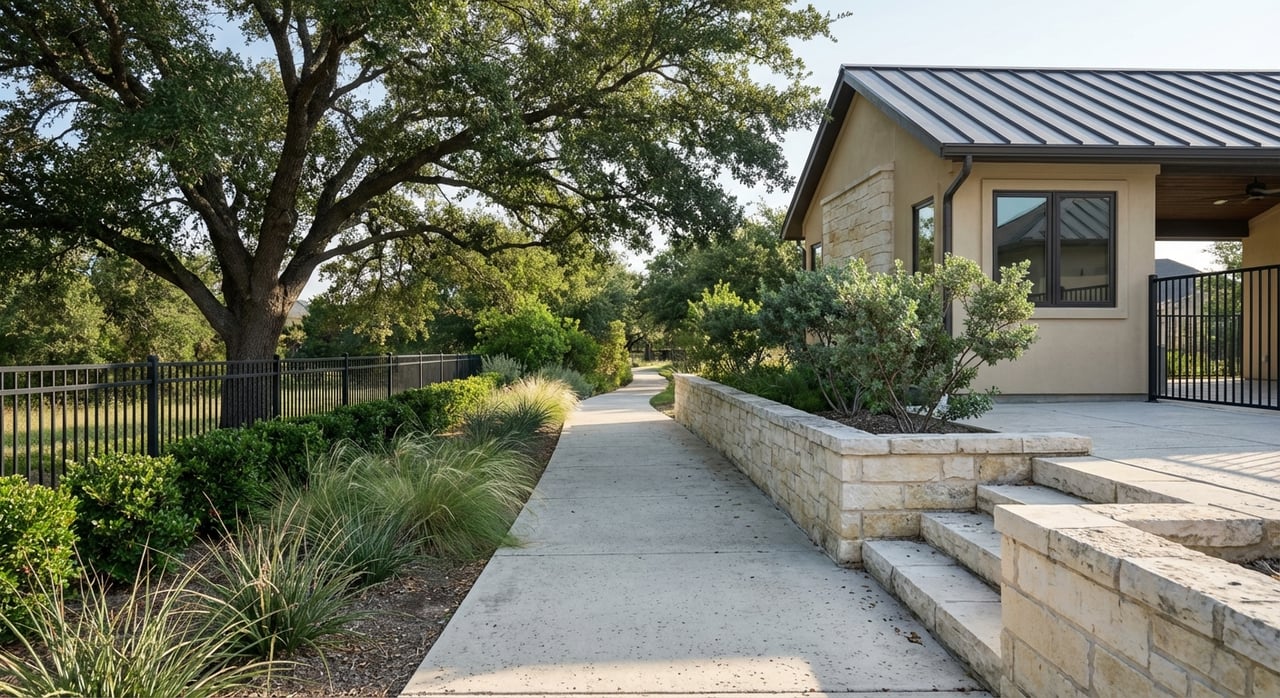
Expect cottages and craftsman styles in and around the square, plus custom homes and cabins built for views and creek access. Many properties span 1 to 10 acres on rolling limestone terrain. Unique features like a view, water access, or a walk-to-town location can influence pricing and resale appeal.
Johnson City homes and lots
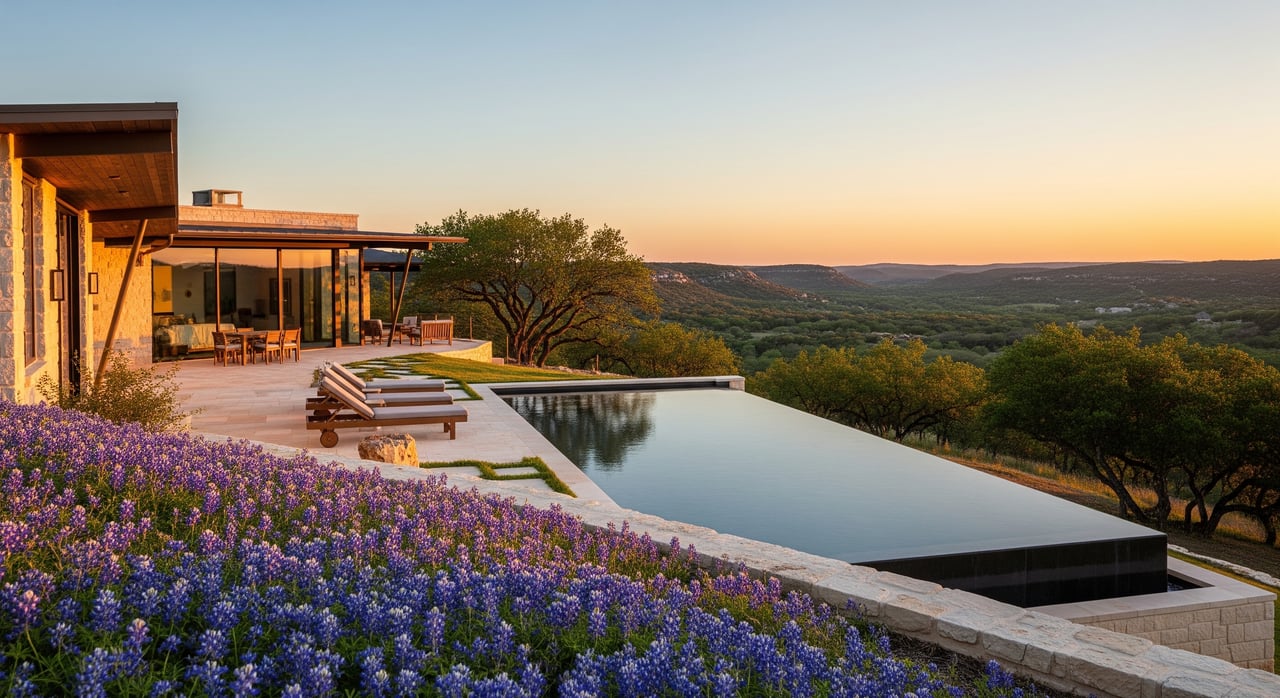
Johnson City leans rural with more multi-acre and 10-plus acre ranch parcels, barns, and historic homes in town. If uninterrupted views or a hobby ranch are on your list, this is where larger holdings are more accessible. Daily retail is lighter, so many owners plan periodic trips to bigger hubs for certain services.
Commute and access
Commuting is a key filter. Dripping Springs typically offers the shortest drive to western and southwest Austin employment centers. Wimberley is mid-range and works well for hybrid schedules. Johnson City usually has the longest drive and aligns best with remote workers or those who value land and privacy over daily convenience.
Traffic patterns matter. Peak-period travel can stretch drive times well beyond off-peak ranges. Before you commit, test your likely routes during busy hours and account for weather or event days that affect Hill Country corridors.
What it costs in general
While exact pricing shifts with market cycles, you can expect a general pattern:
- Dripping Springs often has the highest per-square-foot and per-acre pricing among the three due to proximity to Austin and new development.
- Wimberley sits mid-range, with premiums for special features like views or creek frontage and more modest options in established neighborhoods.
- Johnson City tends to offer lower per-acre costs for larger land tracts.
Micro-markets can invert expectations. A blue-chip view lot in Wimberley may price above a more remote tract elsewhere. Always verify current metrics through recent comparable sales and local market reports before deciding.
Buyer profiles and best fits
- Choose Dripping Springs if you want newer neighborhoods, a larger roster of services, and the shortest typical connection to Austin.
- Choose Wimberley if you want a small-town identity with arts, market days, and recreational draws, plus moderate acreage options.
- Choose Johnson City if your priority is significant acreage, privacy, and a quieter ranch-country setting.
Your lifestyle, work schedule, and tolerance for driving will be the biggest swing factors. A hybrid or remote role can open up more acreage and view options without daily commute pressure.
Practical checks before you buy
The Hill Country is beautiful, but due diligence is different than in a suburban neighborhood. Plan for a deeper look at utilities, land-use, terrain, and carrying costs.
Water and sewer
Many properties rely on private wells and on-site septic systems outside town cores. Confirm whether a property is served by city water, a water supply corporation, or requires a well. For wells, request logs, age, water quality testing, estimated yield, and pump details. For septic, seek existing permits and maintenance records or obtain a site evaluation if none exist.
Also review local rules for on-site wastewater and water resources. Service boundaries, fees, and capacity vary, and they can affect both feasibility and timelines for a build or expansion.
Permitting and land-use
City limits and extra-territorial jurisdictions can carry building standards, platting requirements, design review, impact fees, and rules for short-term rentals or home businesses. Unincorporated county land typically has fewer zoning layers, but subdivision plats, floodplain regulations, and conservation easements still apply.
For any lot, verify:
- City limits or ETJ status, plus HOA or deed restrictions.
- Setbacks, road access standards, and permits for accessory buildings.
- Whether roads are private or county maintained, and who pays for upkeep.
Hazards and terrain
This region’s creeks and rivers are part of the charm, but they also require flood awareness. Wimberley and nearby areas have a documented flood history, so review FEMA flood maps and request local floodplain checks. Limestone and karst terrain can affect well drilling, septic suitability, and foundations. On rural or brush-covered land, plan defensible space for wildfire risk. For steep or ridgeline sites, a geotechnical or engineering consult is wise.
Taxes, financing, and insurance
Texas property taxes are an important line item and vary by county, city, school district, and special districts. Pull the most recent tax assessments and calculate combined rates for any properties you are comparing.
Financing for acreage or nonstandard properties can differ from a typical suburban loan. Some lenders specialize in farm, ranch, or land financing, and may require larger down payments. Title review should account for private roads, long easements, mineral reservations, or conservation restrictions. Insurance costs can vary with elevation, construction type, and flood or wildfire risk.
How to tour and choose
Use a side-by-side approach that blends lifestyle fit with due diligence:
- Define your must-haves. Rank commute tolerance, minimum acreage, view priorities, and proximity to a town core.
- Test-drive your routes. Visit during peak travel and on weekends to gauge traffic and tourism.
- Walk land with pros. Bring a seasoned agent and relevant inspectors to early showings for quick feasibility reads.
- Compare carrying costs. Line up taxes, insurance, well or septic maintenance, and any road agreements.
- Pressure test resale. Properties near town centers or with protected view corridors often resell more readily than very remote tracts.
A clear plan helps you weigh trade-offs with confidence and move quickly when the right property appears.
Ready to pinpoint your best Hill Country fit? For concierge guidance from first tour to closing, connect with Kim Burke. Schedule your free consultation.
FAQs
What is the key difference among Dripping Springs, Wimberley, and Johnson City?
- Dripping Springs is closest to Austin with more services, Wimberley balances small-town amenities with recreation, and Johnson City emphasizes larger acreage and rural character.
How far are these towns from Austin during typical traffic?
- Each sits roughly 1 to 1.5 hours from central Austin depending on route and peak periods, so test your commute at busy times before committing.
What should I know about wells and septic on Hill Country properties?
- Many homes outside town rely on private wells and septic, so obtain well logs and water tests, verify septic permits or get a site evaluation, and budget for maintenance.
Are floods, wildfires, or terrain issues a concern in this area?
- Yes, review flood maps and local history, plan defensible space for wildfire risk, and assess limestone terrain for well, septic, and foundation implications.
How do property taxes vary across these towns and counties?
- Texas taxes combine county, city, school district, and special districts, so pull recent assessments for each property and compare the total rates side by side.
Can I finance land or larger acreage the same way as a standard home?
- Lenders may require larger down payments and different terms for land or ranch properties, so speak with lenders experienced in Hill Country financing early.
What permits or restrictions might affect my build or short-term rental plans?
- City limits or ETJs can impose building standards, platting, design review, and short-term rental rules, while HOAs or deed restrictions may add further limits.