Selling in Circle C is not as simple as putting a sign in the yard and hoping the market does the rest. If you are juggling work, family, travel, or a full calendar, the biggest challenge is usually not whether your home will attract interest. It is how to get everything done in the right order without creating stress or losing momentum. This playbook gives you a practical, local roadmap so you can prep smart, avoid common delays, and launch with confidence. Let’s dive in.
Why prep matters in Circle C
Circle C Ranch offers more than homes. It is an established southwest Austin community with more than 460 acres of dedicated parkland, a 30-mile trail corridor, six park areas, aquatics facilities, and a community center. That means buyers are often drawn to both the property and the lifestyle around it.
That local context matters even more in today’s market. Recent Circle C data shows a median sale price of about $875,000 over the last three months, with homes selling about 1.1% under list price on average and a 30-day median days on market. In a more balanced market, strong presentation, accurate pricing, and a polished launch can make a real difference.
Broad Circle C averages only tell part of the story. Sub-neighborhood pricing can vary, with reported listing prices showing meaningful differences between areas like Circle C South and Circle C West. If you want to list well, you need pricing based on the right pocket of the neighborhood, not just the ZIP code.
Start 60 to 90 days early
If your schedule is packed, the easiest way to reduce stress is to start earlier than you think you need to. Research-backed seller prep guidance points to a 60 to 90 day runway as a practical timeline for most listings. That gives you enough time to make decisions without rushing through repairs, paperwork, and marketing.
A longer runway is especially helpful in Circle C because exterior work may require HOA review. It also gives you room to coordinate vendors, clear out the house, and gather documents before your listing goes live. For busy homeowners, that extra lead time can be the difference between a calm launch and a last-minute scramble.
8 to 12 weeks before listing
Start with valuation, planning, and the big-picture prep list. This is the time to review recent comparable sales in your specific part of Circle C, identify likely buyer expectations, and decide which repairs or updates are truly worth doing.
You should also begin gathering paperwork early. For many Texas sellers of previously occupied single-family homes, the TREC Seller’s Disclosure Notice is part of the process, and it helps to collect supporting information at the same time. That can include repair receipts, warranties, permits, and insurance claim history if applicable.
6 to 8 weeks before listing
This is the window for strategic repairs and visible improvements. In most cases, simple, high-impact updates make more sense than a major remodel. Research on pre-listing improvements points to projects like whole-home paint, targeted room painting, and roofing when needed as common and practical priorities.
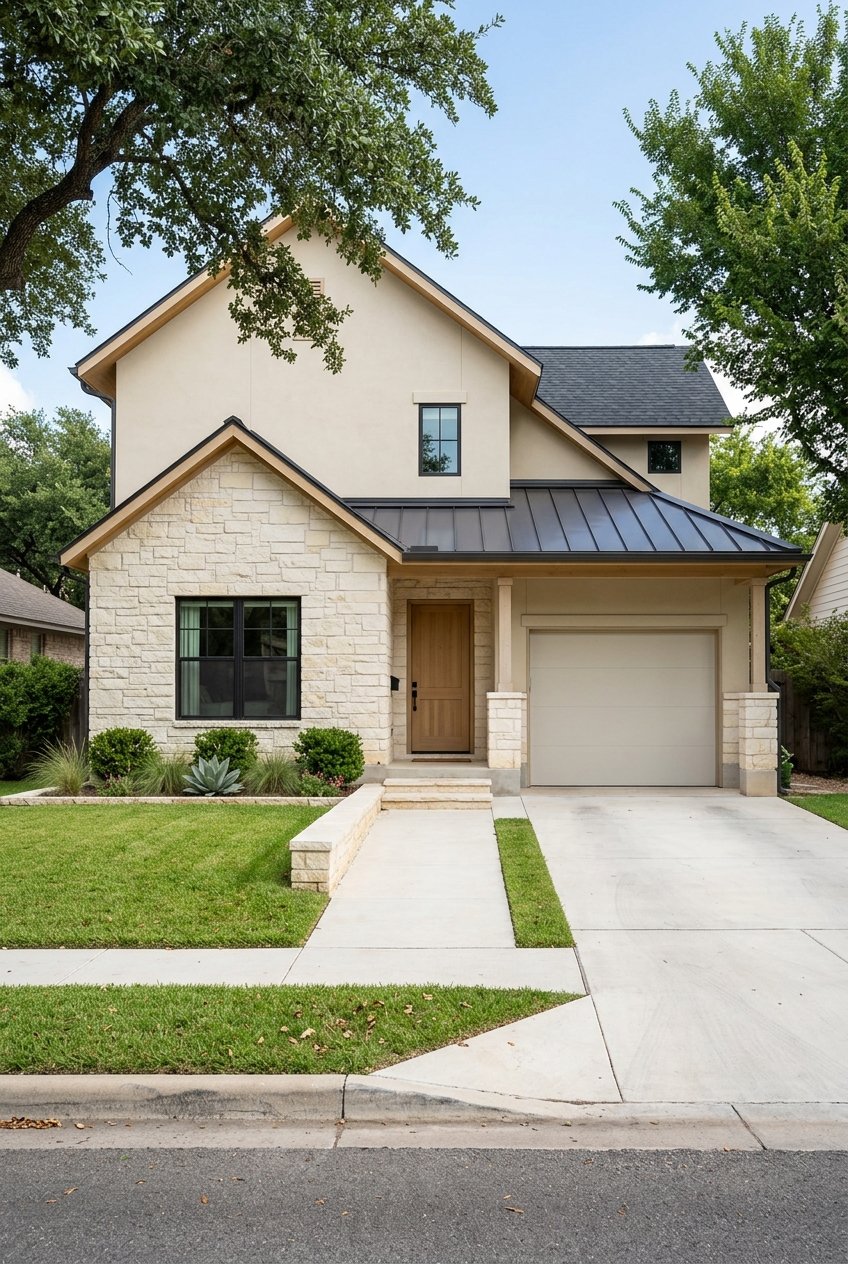
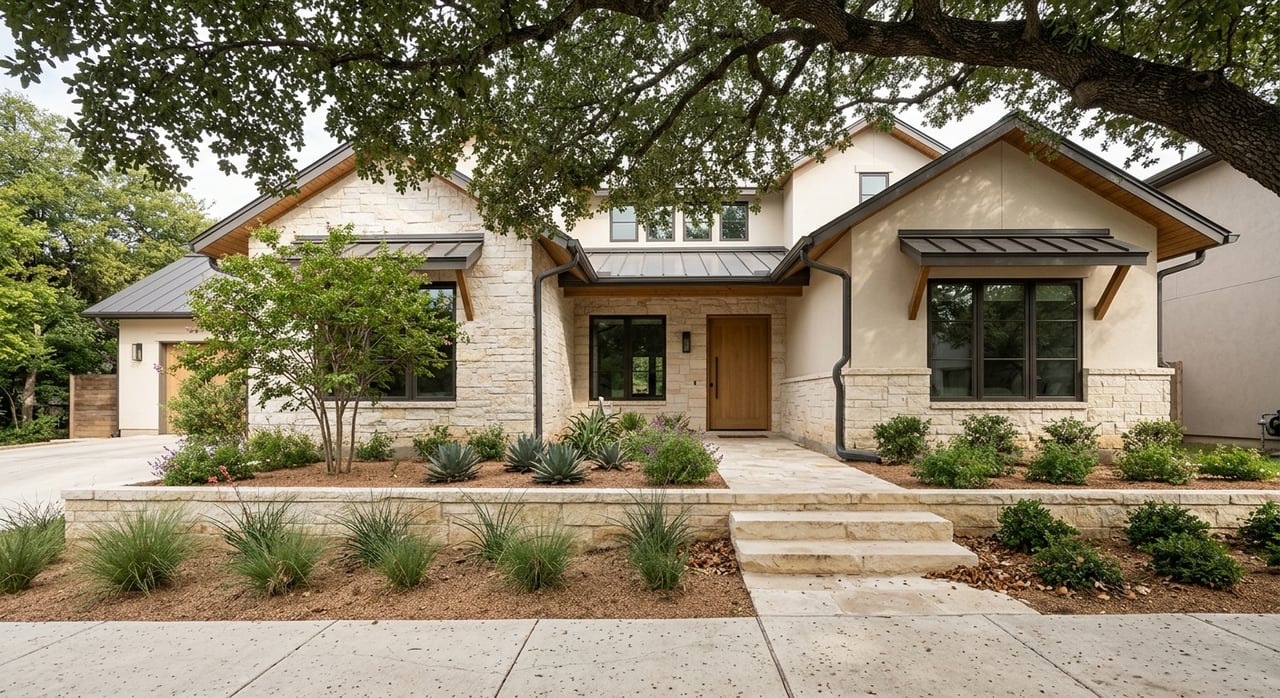
For Circle C sellers, think about what a buyer sees first and what removes future workload. Fresh paint, a clean roofline, a refreshed front door, updated hardware, and a well-kept yard often do more for first impressions than a disruptive renovation. In Austin’s climate, HVAC service also deserves attention because air conditioning remains a major buyer priority.
4 to 6 weeks before listing
Now shift into decluttering, deep cleaning, and staging. This is the point where your home should start feeling less like everyday life and more like a clear, welcoming space that photographs well and shows easily.
The highest-leverage rooms to focus on are usually the living room, kitchen, primary suite, and dining area. In Circle C, outdoor living space also matters. A patio, deck, or backyard should read as usable, clean, and low-stress, not like another weekend project for the next owner.
2 to 4 weeks before listing
This is the media and marketing phase. Professional photography should be scheduled once the home is fully ready, not while repairs and storage piles are still in progress. If your floor plan, photo sequence, and visual story are strong, buyers can understand the home more quickly.
That matters because buyer research shows that many people are more likely to view a home if the listing includes a floor plan they like, and many say 3D tours help them get a better feel for the space. In other words, polished media is no longer a bonus. It is part of the baseline expectation for many buyers.
1 to 2 weeks before listing
Use the final stretch for small touch-ups and showing readiness. Replace burned-out bulbs, touch up paint, refresh towels and bedding, and make sure closets, counters, and entry spaces stay clean and simple.
This is also the time to confirm that all paperwork, HOA items, and listing details are in place. Once your home hits the market, you want your energy focused on showings and negotiation, not on chasing missing documents.
Circle C HOA details to handle early
One of the most important local issues for Circle C sellers is the HOA approval process. The Architectural Control Committee must approve improvements to single-family homes and lots before construction, and the committee states it has up to 30 days to review plans.
That lead time matters if you are thinking about any visible exterior work before listing. Exterior paint, roof replacements, fence changes, decks, pergolas, pools, hot tubs, sheds, solar devices, generators, and substantial front-yard landscaping are among the items that should be checked against ACC rules first.
If you skip this step, a well-meant improvement can turn into a delay. For busy homeowners, the smartest move is to identify any exterior projects as early as possible so you can decide whether to move forward, wait, or adjust the scope.
Request the resale certificate early
The resale certificate is another item that can sneak up on sellers. Circle C’s policy sets a standard charge of $225, with rush surcharges for short-notice requests. That alone is a good reason to handle it well before closing gets close.
The HOA also notes that, with written authorization at least 10 business days before closing, the association can inspect areas not readily visible from the street for the certificate. In practical terms, this is not paperwork you want to leave for the last minute.
Focus on updates that actually help
When you are busy, it is easy to over-improve or spend money in the wrong places. Most sellers benefit more from targeted, visible improvements than from a full renovation right before listing. The goal is to make your home feel cared for, current, and easy for a buyer to say yes to.
Research on remodeling impact supports a simple strategy. Painting, front-door updates, and practical condition fixes tend to offer strong value, while major projects may not make sense unless there is a clear issue affecting buyer appeal. If something is worn, dated, or distracting, fix it. If it is simply not your current style but still functional and clean, a smart pricing and presentation strategy may be enough.
Prioritize these pre-listing upgrades
- Fresh interior paint where needed
- Front door refresh or hardware update
- Clean, trimmed landscaping
- HVAC service and filter replacement
- Minor roof or fence fixes if needed
- Updated lighting or exterior fixtures
- Deep cleaning, including windows and floors
- Simple outdoor staging for patios or porches
Stage for clarity, not perfection
The best staging does not feel forced. It helps buyers understand the scale, flow, and livability of the home. That is especially important in a lifestyle-driven community like Circle C, where buyers may be comparing not just finishes but also how the home supports daily life.
Staging research shows that buyers respond strongly when a home is easier to visualize. The most commonly staged spaces include the living room, primary bedroom, and dining room. For Circle C, I would add outdoor living areas to that shortlist because buyers often value private outdoor space and shared community amenities.
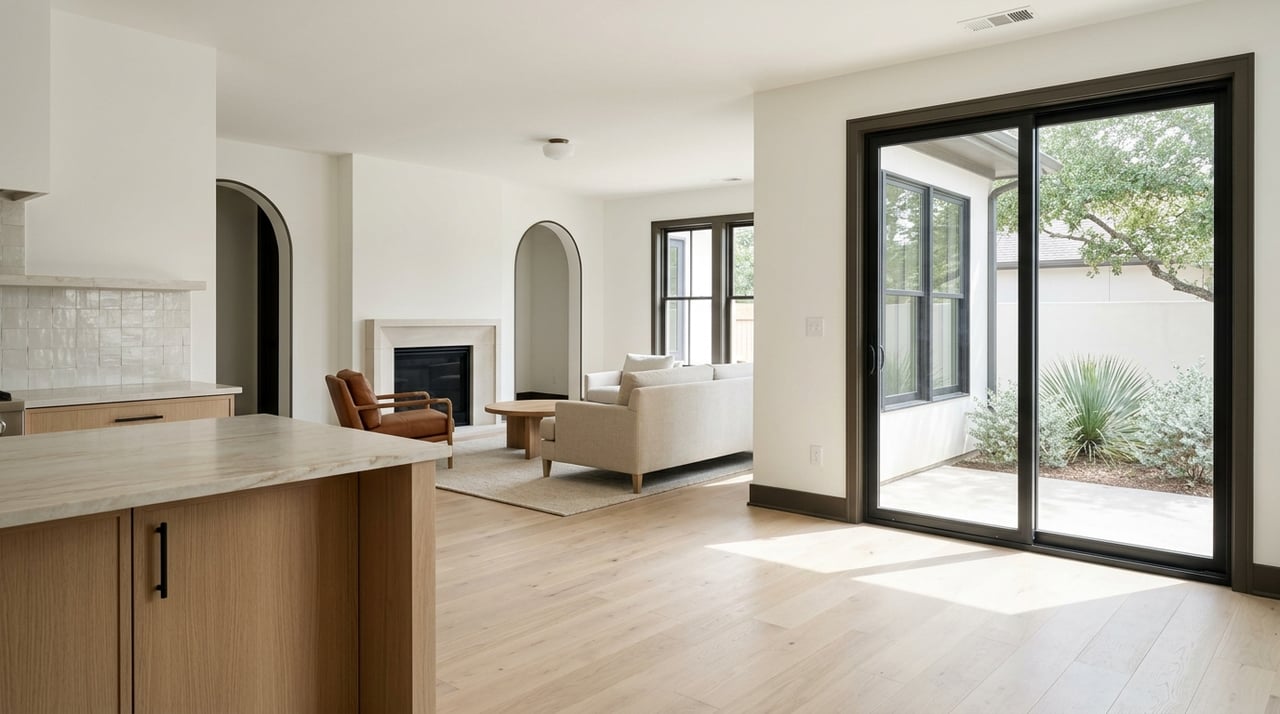
Your goal is visual clarity. Keep surfaces uncluttered, maximize natural light, use neutral bedding and textiles, and make sure each room has a clear purpose. If you have a covered patio, breakfast area, or flexible bonus space, help buyers see how it can be used right away.
Market the Circle C lifestyle well
In Circle C, marketing should reflect what buyers are actually shopping for. Yes, they care about square footage, layout, and condition. They also care about how the home connects to outdoor living and the neighborhood experience.
That is why launch quality matters. The strongest listings pair accurate pricing with professional media, a thoughtful photo order, a floor plan, and clear storytelling around the home’s updates, outdoor spaces, and exact location within Circle C. A broad neighborhood description is not enough when pricing and buyer perception can vary by section of the community.
Strong digital presentation also works best when it supports an equally strong in-person showing plan. Buyer research shows that virtual tools help people narrow their choices, but most still want to visit in person before making a decision. The listing should create interest online and reinforce confidence once buyers walk through the door.
What busy sellers should delegate
If your calendar is full, the value of concierge-style service is simple. You should not have to coordinate every vendor, timeline, and decision on your own. A well-managed listing process can absorb much of that workload so your prep stays organized and your launch stays on schedule.
For many sellers, the most helpful tasks to delegate are:
- Comparable pricing analysis by sub-neighborhood
- Vendor coordination for repairs and touch-ups
- Staging guidance and prep planning
- Photography, floor plan, video, and 3D tour scheduling
- HOA paperwork tracking
- Listing preparation and showing coordination
That kind of support matters because most sellers say they choose an agent for help marketing the home, pricing it competitively, and selling within a specific timeframe. If you are selling in Circle C, execution is part of the value.
A smart Circle C pre-listing checklist
If you want a simple way to stay on track, use this order of operations:
- Get a pricing and prep consultation
- Gather disclosure documents, receipts, warranties, and HOA information
- Identify repairs and updates worth doing
- Check whether any exterior work needs ACC approval
- Request the resale certificate early
- Complete repairs, paint, and HVAC service
- Declutter, deep clean, and stage key rooms
- Prep outdoor spaces and curb appeal
- Schedule photography, floor plan, and 3D tour
- Finish final touch-ups and launch
Selling your Circle C home does not have to feel chaotic. With enough lead time, the right priorities, and a clear local strategy, you can protect your time and position your home well for today’s buyers.
If you are planning a move and want a tailored pre-listing strategy for your part of Circle C, Kim Burke can help you simplify the process, elevate the presentation, and bring your home to market with confidence.
FAQs
How much time should Circle C homeowners allow before listing?
- A 60 to 90 day prep window is a practical target for most sellers, especially if you need repairs, staging, paperwork, or HOA-related approvals.
Which Circle C home improvements may need HOA approval?
- Visible exterior changes like paint, roof replacements, fence work, decks, pergolas, pools, sheds, solar devices, generators, and substantial front-yard landscaping should be checked against ACC requirements before work begins.
What paperwork should Circle C sellers start early?
- Start early on the TREC Seller’s Disclosure Notice, HOA resale certificate, and supporting documents such as permits, warranties, repair receipts, and insurance claim records if applicable.
What pre-listing updates usually matter most in Circle C?
- High-impact, lower-disruption updates such as fresh paint, curb appeal improvements, HVAC service, deep cleaning, and simple outdoor refreshes usually make more sense than a major remodel.
What marketing assets do Circle C buyers expect now?
- Many buyers respond strongly to professional photography, a clear floor plan, and 3D tours because those tools help them understand the layout and narrow down which homes to visit in person.
Should Circle C sellers use broad neighborhood pricing averages?
- No. Circle C has meaningful pricing variation by sub-neighborhood, so list price should be based on same-pocket comparable homes rather than a broad overall neighborhood average.