Dreaming about a Hill Country getaway sounds simple until you start comparing taxes, utilities, financing, and rental rules. If you are considering a second home in Dripping Springs, you are likely balancing lifestyle goals with practical ownership questions. The good news is that with the right local guidance, you can narrow your options quickly and buy with more confidence. Let’s dive in.
Why Dripping Springs Appeals to Second-Home Buyers
Dripping Springs offers the kind of setting many second-home buyers want: scenic Hill Country surroundings, a slower pace, and a strong lifestyle focus. The city’s planning department highlights priorities like preserving Hill Country character, maintaining infrastructure, and supporting housing options, which gives you a sense of how the area is growing.
That balance matters when you buy a second home. You may be shopping for views, privacy, or a weekend retreat, but parcel-level details still matter just as much as the setting. In Dripping Springs, land use, utility access, and location inside or outside city-related boundaries can shape both your costs and your plans.
What Types of Second Homes You Can Find
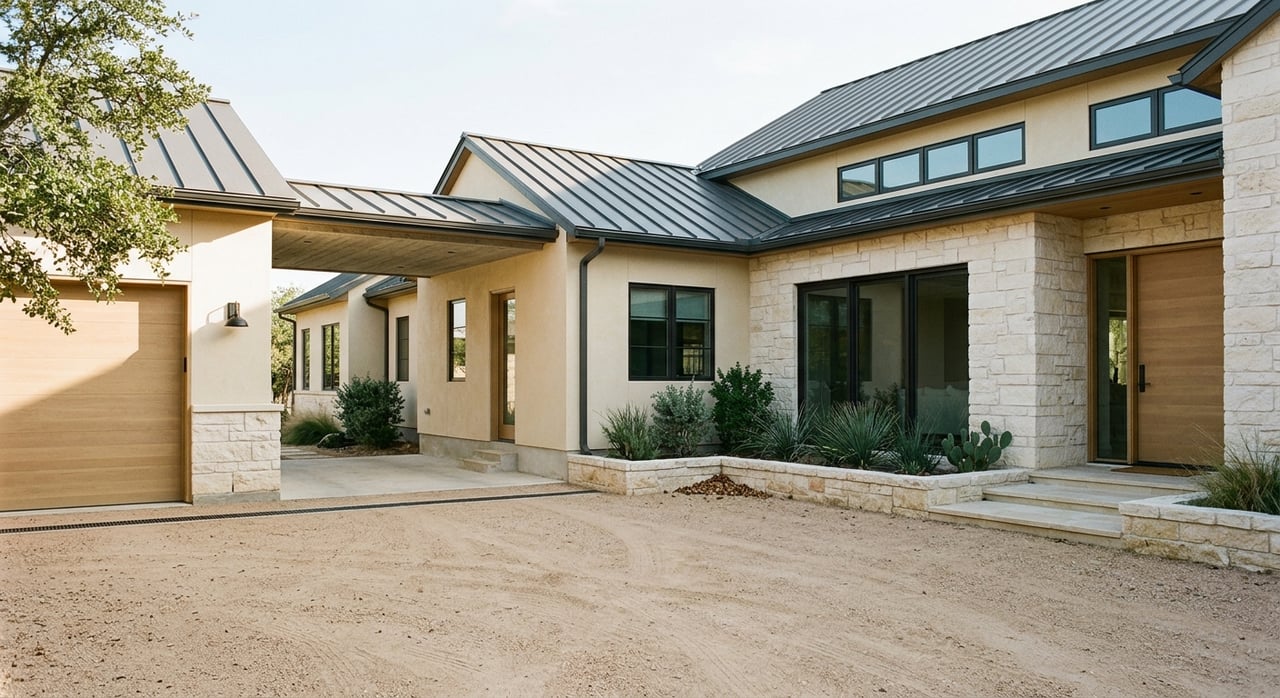
Hays CAD property categories show just how varied the local housing stock can be. Your search may include single-family homes, vacant lots or larger tracts, and farm or ranch properties, along with other property types across the county.
For you as a buyer, that usually means a few different paths:
- A move-in-ready house for easy weekend use
- An acreage property with more privacy and outdoor space
- A land parcel for future construction
- A lower-density retreat where long-term planning matters
The right fit depends on how you plan to use the home. If you want a true lock-and-leave property, a finished house may be the easiest option. If your goal is a custom retreat over time, land and utility feasibility become much more important early in the process.
Climate Matters for Part-Time Ownership
Nearby Austin’s climate data points to long, hot summers, short mild winters, and about 35.5 inches of annual rainfall. May, October, and June are the wettest months, which can influence when you enjoy the home most and how you maintain it.
For many second-home owners, spring and fall are especially comfortable seasons for Hill Country use. Summer ownership can still be appealing, but it often brings higher cooling needs and more attention to irrigation and landscape upkeep. If you will not be at the property full time, those seasonal realities are worth factoring into your budget.
Focus on Low-Maintenance Landscaping
A second home should feel restorative, not like a constant to-do list. In Dripping Springs, that is one reason water-wise landscaping deserves extra attention.
The city’s landscape ordinance emphasizes drought-tolerant plant selection, tree preservation, and incentives for drip irrigation. The city also currently shows Stage 2 watering restrictions for city water customers, while customers of Dripping Springs Water Supply Corporation are directed to separate restrictions.
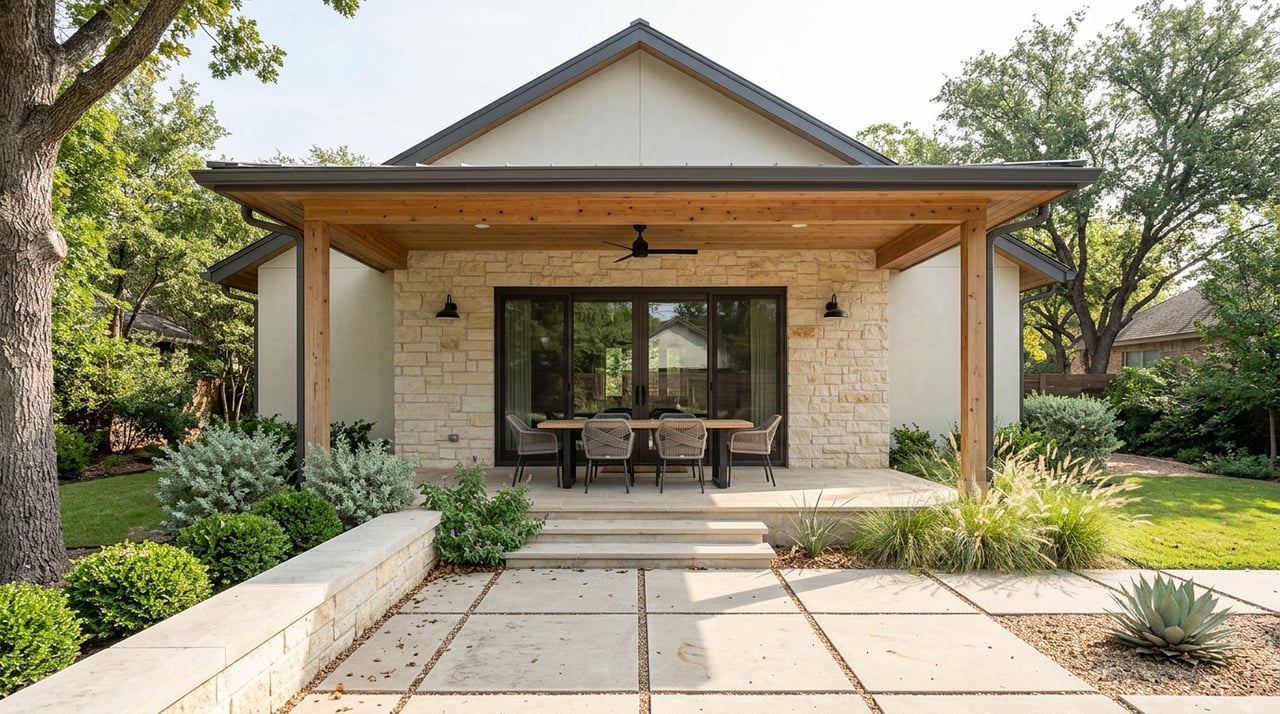
That means low-maintenance outdoor planning is more than a design choice. It can help you reduce upkeep, manage water use more responsibly, and make part-time ownership easier. When you tour homes, it is smart to look beyond curb appeal and ask how the landscape actually functions.
Understand Property Taxes Before You Buy
One of the biggest mistakes second-home buyers can make is assuming tax treatment will mirror a primary residence. In Hays County, a true second home generally does not qualify for the Texas homestead exemption because that exemption applies when the owner uses the property as a primary residence.
That also means you should not expect the homestead cap to apply unless there is a qualified homestead exemption in place. If this is a weekend home or seasonal retreat, your carrying costs may be higher than you first expect.
Hays CAD’s 2025 taxing-unit table shows these rates per $100 of taxable value:
- City of Dripping Springs: 0.2267
- Hays County: 0.3573
- Dripping Springs ISD: 1.1052
Combined, that is 1.6892 per $100 of taxable value before any special districts or exemptions. Based on that combined rate:
- A $500,000 taxable value is about $8,446 per year
- A $1,000,000 taxable value is about $16,892 per year
Those numbers are helpful starting points, but they are not the whole picture.
Why Parcel-Specific Taxes Matter
Your actual tax bill can vary meaningfully by address. Hays CAD also lists other taxing entities such as MUDs, WCIDs, ESDs, and similar districts, so the district mix attached to a property can change your total carrying cost.
That is why broad market averages are only so useful when you are buying a second home in Dripping Springs. The more important question is this: what are the taxes on this exact property? Before you move forward, you want a clear understanding of the parcel’s taxable value, district structure, and likely annual ownership costs.
Utilities Can Affect Cost and Timing
In Dripping Springs, utilities are not a small detail. They can directly shape what you can do with a property now and later.
The city states that its wastewater system is currently at full capacity and cannot accept new wastewater service connections. If you are considering new construction, a major addition, or any property that may need a service change, that can affect both timeline and feasibility.
This is especially important if you are comparing an existing home against a lot or teardown opportunity. A beautiful site is not enough on its own. You also want clarity on utility provider, service status, and whether your long-term plans are realistic.
Second Home or Investment Property?
This is one of the most important distinctions in the buying process. A property can feel like a second home to you, but lenders and local rules may classify its use differently depending on how you plan to occupy and rent it.
Fannie Mae’s guidance says a second home must be a one-unit dwelling suitable for year-round occupancy, occupied by the borrower for some portion of the year, and under the borrower’s exclusive control. It also states that the property cannot be rental property, a timeshare, or subject to a management firm that controls occupancy, and rental income from a second home cannot be used to qualify the borrower.
In simple terms, if you plan to rent the home heavily or hand over occupancy control to a professional management setup, the property may fit better as an investment property than a second home. That difference can affect financing, underwriting, and how you should evaluate the purchase from day one.
Financing Expectations for a Second Home
Second-home financing is often more conservative than financing for a primary residence. Freddie Mac’s conforming loan table shows a 90% maximum loan-to-value ratio for purchase or no-cash-out refinance second-home loans, and a 75% maximum LTV for second-home cash-out refinances.
That does not replace guidance from your lender, but it does give you a practical benchmark. If you are early in the planning process, it is wise to confirm how your intended use of the property lines up with the loan program you expect to use.
What to Know About Occasional Rental Use
Some buyers want a personal retreat that may also generate occasional rental income. If that is part of your strategy, you need to confirm the local rules before you buy.
Dripping Springs has a 7% hotel occupancy tax on hotels, motels, short-term rentals, and bed-and-breakfasts in the city limits and ETJ. The city says owners must file quarterly, due 20 days after each quarter ends, and that Airbnb and VRBO do not remit the tax for the owner.
That creates two important action items for you:
- Confirm whether the parcel is in the city limits, ETJ, or outside both
- Confirm exactly how hotel occupancy tax filing and remittance would work for your use case
You should also review any HOA or subdivision rules that may limit rental use, occupancy, or exterior changes. A home that works beautifully for private use may come with restrictions that change the economics of part-time renting.
Due Diligence Questions to Ask Early
A strong second-home purchase starts with the right questions, not just the right photos. In Dripping Springs, early due diligence can save you time, money, and frustration.
Here are some of the most useful questions to ask before you buy:
- Is the property in city limits, the ETJ, or outside both?
- What utility provider serves the property?
- What are the current watering rules?
- Does the property have any wastewater-related limitations?
- Is flood insurance likely, or is a flood-zone review needed?
- Are there HOA or subdivision restrictions on rentals, occupancy, or exterior changes?
These questions are especially important for acreage, custom-build opportunities, and homes intended for occasional rental use. The more lifestyle-driven the purchase feels, the more discipline you need on the front end.
A Smarter Way to Buy in Dripping Springs
Buying a Hill Country second home in Dripping Springs is about much more than finding a pretty view. You are also choosing a tax structure, a utility setup, a maintenance level, and a long-term ownership experience.
When you approach the process with clarity around parcel-specific taxes, water and wastewater conditions, financing rules, and intended use, you can make a better decision and enjoy the property more once you own it. That is where local, detail-oriented guidance makes a real difference.
If you are exploring a weekend retreat, acreage property, or future Hill Country escape, Kim Burke can help you evaluate the details behind the lifestyle and move forward with confidence.
FAQs
What makes Dripping Springs appealing for a second home?
- Dripping Springs attracts second-home buyers with its Hill Country setting, lifestyle appeal, and mix of homes, acreage, and land opportunities, but parcel-specific details like utilities and taxes still matter.
How are property taxes calculated for a second home in Dripping Springs?
- Hays CAD’s 2025 listed rates for the City of Dripping Springs, Hays County, and Dripping Springs ISD total 1.6892 per $100 of taxable value before special districts or exemptions, and your final bill can vary by parcel.
Can a second home in Dripping Springs qualify for a homestead exemption?
- Generally, no. Hays CAD says the residence homestead exemption applies when the owner uses the property as a primary residence.
What utility issue should second-home buyers in Dripping Springs watch closely?
- The city says its wastewater system is currently at full capacity and cannot accept new wastewater service connections, which can affect new construction, additions, or service changes.
Can you rent out a second home in Dripping Springs part time?
- Possibly, but you should first confirm whether the property is in the city limits, ETJ, or outside both, review any HOA or subdivision restrictions, and understand the city’s hotel occupancy tax requirements if the parcel is subject to them.
What is the hotel occupancy tax for short-term rentals in Dripping Springs?
- The city has a 7% hotel occupancy tax on hotels, motels, short-term rentals, and bed-and-breakfasts in the city limits and ETJ, with quarterly filing due 20 days after each quarter ends.
How does financing differ for a second home in Dripping Springs?
- Second-home financing is often more conservative than primary-home financing, and Freddie Mac’s conforming loan table shows a 90% maximum LTV for purchase or no-cash-out refinance second-home loans.
What questions should buyers ask before purchasing a second home in Dripping Springs?
- You should ask about city or ETJ location, utility provider, watering rules, wastewater limitations, flood-zone review, and any HOA or subdivision rules that may affect rental use, occupancy, or exterior changes.